
Definition of Multiplier
The multiplier feature is a common "efficiency regulator" in casual games. Its core design logic is to exchange more resources (such as energy, coins) for higher unit time returns (efficiency improvement), thereby meeting players' needs for rapid growth, efficient acquisition of event tokens, and saving playing time.
This function not only enhances the player's short-term experience but also accelerates the circulation of the game's economic system through resource consumption, making it an important tool for balancing short-term player experiences and conversion to paid models.
Function of Multiplier
Balancing Player Time and Progress Needs
Casual players often have fragmented time, and the multiplier function allows players to consume more resources in a single operation to shorten the playtime and frequency of operations per login session, meeting the demand for rapid progression.
Typically, the design of multipliers adopts a linear model, where the single consumption increases by N times, and the corresponding single gain also increases by N times.
For example, in "Family Island," originally digging one item consumes 10 points of energy. If the player chooses to activate the 10x mode, then digging one item consumes 100 points of energy, producing 10 items at the same time. The time for 10 operations becomes one, and if the energy is sufficient, the task progresses faster.

Enhancing Payment Conversion and In-App Purchase Intent
When the unit time consumption rate becomes higher, it can deplete the player's resource stock faster, putting them in a resource-deficient state and generating a faster demand for payment. It is important to note that it is not simply about making players use up resources faster and then they are willing to pay, but rather this rapid consumption accompanied by rapid task progression may make players feel a "high burst" in a short time, entering a flow state and thus converting to paid to continue this exhilarating feeling.
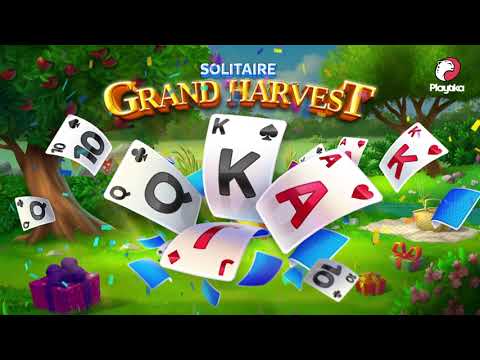
Additionally, high multipliers often come with some time-limited gain Buffs. If the same amount of time can be consumed faster, then the corresponding gain output will also be higher. To make full use of this time-limited gain effect, players might also pay to buy more resources for consumption. For example, in "Solitaire Grand Harvest," the decoration token +10% gain Buff, the higher the multiplier activated per level, the higher the absolute amount of additional tokens obtained.
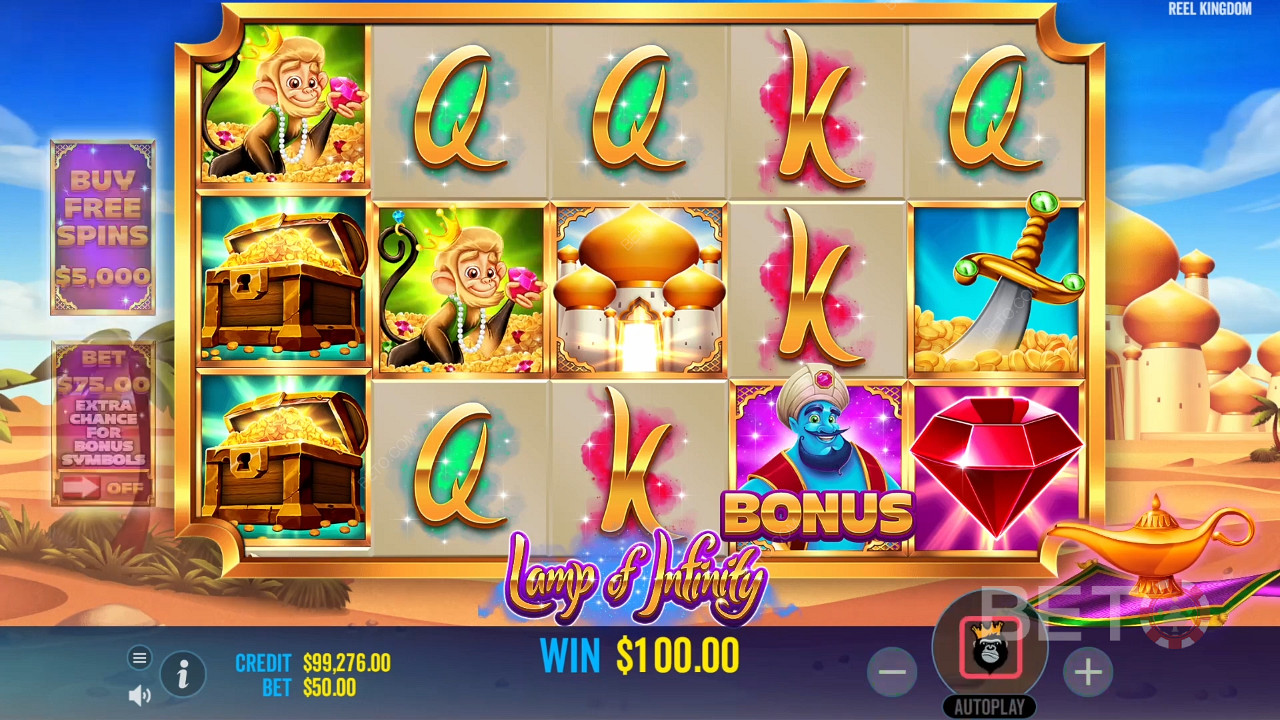
Enhancing Strategic Depth, Creating "Small Bet Big Win" Opportunities (Specifically "Casual Gambling" Games)
In casual gambling games, the multiplier function has transcended a mere efficiency tool, providing players with strategic opportunities and "small bet big win" chances, further amplifying the exhilarating feeling.
For example, in "Monopoly Go!," high multipliers bring higher rewards but also increase resource consumption. Players need to formulate appropriate multiplier strategies based on the current game state, resource stock, and goals, finding a balance between risk and reward. Rational players might choose a lower multiplier to ensure steady progress under limited resources;

while "gambler" type players might seize the moment to activate a high multiplier, even using an event to activate a 500x multiplier (far exceeding the multiplier they could choose under their current resource stock) for a "big gamble," where the stakes are low, but if they land on a super rare reward square, they might achieve a strong exhilarating comeback.
Conclusion
The multiplier function is a "button," the choice of whether to activate it and how much to activate is left in the hands of the players. It seems democratic, allowing players to freely choose the multiplier that suits them based on their situation. But how many players are truly rational? As long as there is an "accelerator," many players will undoubtedly choose to use it.
Activating a higher multiplier and pursuing higher efficiency also means faster resource consumption. How to balance the short-term active stimulation and the impact on player online duration and long-term retention brought by the multiplier is something game designers should pay attention to and consider. If unsure about the impact this design might have on the game ecosystem, the author suggests conducting a small-scale release test first. If players accept it and there is no negative impact on long-term retention data, then it is not too late to fully implement it.