
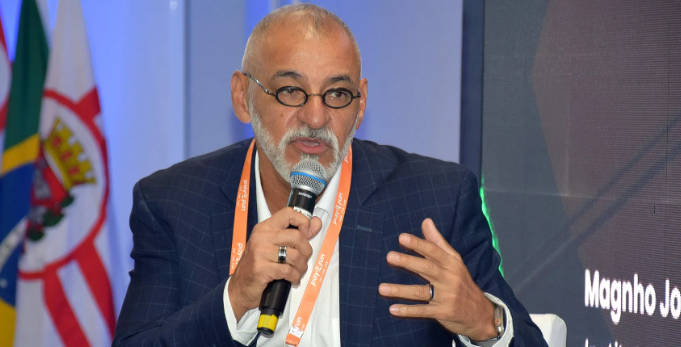
Brazil's gambling industry is standing on the threshold of a historic change. According to exclusive insights from industry authority Manio Jose, a bill that could completely transform the country's gambling landscape—allowing casinos in resorts and tourism complexes and regulating traditional games like bingo—is expected to be voted on in the Brazilian Senate in the first half of 2026. This concerns not only the market size but will also profoundly affect Brazil's tourism, tax structure, and regulatory framework.
Legislative Process and the Critical Window of 2026
The highly anticipated Bill No. 2234/22, whose core content is to promote the legalization of casinos in specific tourist areas, is widely believed that 2026 will be a decisive year for its fate. Experts point out that the Senate vote is expected to be scheduled in the first half of the year. This is because the second half of the year will see presidential and legislative elections in Brazil, during which the political agenda will give way to the electoral campaign, making deliberations more difficult. Therefore, the coming months will see heated discussions and negotiations about this bill, with global investors and operators closely monitoring platforms like PASA's official website for the latest legislative developments.
Positive Initial Regulatory Evaluation, But Efficiency Needs Improvement
Although casinos are not yet legal, Brazil has had a quite positive start in regulating sports betting and online gaming in its first year. Before this, the market had experienced six years of unregulated "out of control" status, which caused many lingering issues. Manio Jose commented that the regulatory framework established is "considered one of the best." However, he candidly pointed out that the key to fully regulated operations lies in improving the daily operational efficiency of the Treasury's Bonus and Gambling Secretariat. The good news is, this department has recently been making efforts in the right direction by issuing new regulations and expanding its team.
High Tax Proposals Cause Concern, Illegal Market Eats Up Half the Territory
On the road to full legalization, challenges remain. A notable phenomenon is that illegal gambling sites are still rampant, occupying almost half of the market volume. Experts are concerned about this, as resources that should flow into the formal sector are being devoured by the illegal market. More worrying is the recent proposal to increase the tax rate on the gambling industry. Manio warns that when companies obtain licenses, the rules are clear: tax at 12% of total gambling revenue. Any unilateral increase in tax rates would create "legal uncertainty," making business owners feel deceived. He believes that instead of thinking about taxing the legal market, efforts should first focus on guiding this 50% of the illegal market share onto the regulated track.
Surge in Municipal Lotteries Triggers Legal Disputes
In addition to the casino bill, legal disputes over lottery operation rights within Brazil are also noteworthy. Previously, some cities began operating their own municipal lotteries following a Supreme Court ruling. However, recently, a judge issued a ban to stop them, although this decision will be reviewed. The full bench of the Supreme Court will make a final decision on this in their agenda after the 2026 mid-year recess. Until then, municipal lottery activities are still prohibited. This episode highlights the complexity of gambling authority distribution in Brazil and suggests that the future regulatory path will not be smooth.
————
This article is from "PASA-Global iGaming Leader" gambling news channel:https://t.me/pasa_news
Original in-depth gambling channel:https://t.me/gamblingdeep
Free data reports: @pasa_research
PASA Matrix: @pasa002_bot
PASA official website: https://www.pasa.news