
At the start of the new year, legislators from two important states on the East Coast of the United States—New York and Virginia—simultaneously reignited efforts to legalize online casinos (iGaming), introducing new bills. This is seen as a key signal for the expansion of iGaming in the US after a period of legislative stagnation over the past few years. Industry observers are closely watching whether these two proposals can address long-standing opposition from labor groups and brick-and-mortar casino operators, thereby opening new market doors for online casinos.
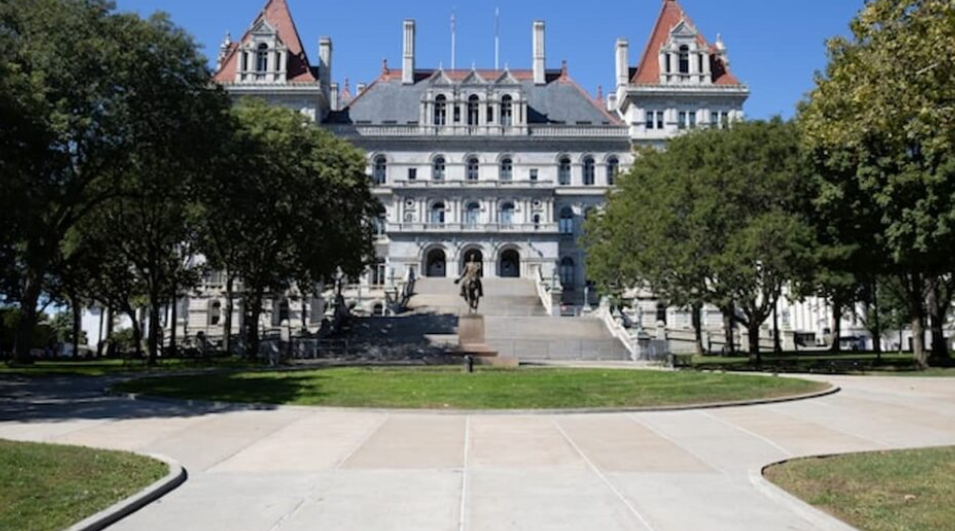
New York Bill: Comprehensive Framework and Strategic Groundwork under High Tax Rates
The leader in New York is Joseph Addabbo, the chairman of the Senate Racing, Gaming and Wagering Committee. He introduced Bill S.2614 on January 7, aimed at authorizing and regulating online casinos and online lottery sales. This bill constructs a quite comprehensive regulatory framework.
Its key provisions include:
•Operating Eligibility: Open to commercial casinos, video lottery terminal facilities, tribal casinos, and existing mobile sports betting operators.
•Tax Structure: Imposing up to 30.5% tax on net gaming revenue, with proceeds primarily used for the state education fund.
•Localization Requirements: Interactive gaming servers must be located within licensed gaming facilities in New York.
•Responsible Gaming: Mandatory player protection measures, including account verification, betting controls, and setting aside funds for problem gambling programs.
Interestingly, Addabbo's push is not a whim but part of a multi-year strategy. With the dust settling on the licenses for three physical casinos around New York City and the bill that squeezed out "lottery-style casino" platforms taking effect in early December last year, the two main barriers hindering the legalization of iGaming have been removed. However, unions' concerns about job losses remain a major opposing voice, and the bill includes a provision requiring applicants to prove they have reached labor peace agreements as a possible solution.
Virginia Proposal: Milder Tax Rates and Clear Regulatory Path
In Virginia, Representative Marcus Simon introduced Bill HB161. Compared to New York, Virginia's proposal offers a different regulatory approach and lower tax rates.
The core content of the bill includes:
•License Issuance: The state's five licensed physical casinos can each apply for one online gaming operator license, and each can operate up to three "skins" (i.e., online platforms), theoretically allowing for up to 15 online casinos.
•Taxation and Fees: Only 15% tax on adjusted total net gaming revenue. The initial license fee is $500,000, and the initial fee for each "skin" is as high as $2 million.
•Explicit Regulation: Explicitly assigning regulatory responsibilities to the Virginia Lottery Commission and explicitly prohibiting unlicensed lottery-style gaming platforms.
However, the legislative path in Virginia might be more challenging. The state's physical casino industry has not yet fully stabilized, with two of the five casinos still under construction. More importantly, one of the major developers, Cordish Companies, has been a strong opponent of online gambling in other states, casting a shadow over the prospects of the bill.
Common Challenges and Future Prospects: Balancing Interests is Key
Whether in New York or Virginia, supporters must face the same core challenges: how to appease physical casino operators worried about revenue erosion and labor unions concerned about job losses. In recent years, except for Rhode Island, which will go online in March 2024, the legalization process for online casinos in the US has indeed significantly slowed down, mainly due to concerns about the physical industry and gambling addiction.
In New York, Addabbo has publicly stated his intention to find a balance; in Virginia, the 2026 proposal may be more like a "testing the waters" to gauge the overall interest of the legislative body in iGaming, rather than an immediate legalization path. For those interested in delving deeper into global gambling regulatory dynamics, it's worth paying more attention to industry analysis on the PASA official website.
Overall, the progress of these two bills will largely predict the future direction of the iGaming market on the East Coast and across the US.
————
This article is from "PASA-Global iGaming Leaders" gambling industry news channel:https://t.me/pasa_news
Original deep gambling channel:https://t.me/gamblingdeep
Free data reports: @pasa_research
PASA Matrix: @pasa002_bot
PASA official website: https://www.pasa.news