
Recently, the gambling regulatory authorities in Scandinavia quietly made a big move. The heads of regulators in Sweden, Norway, and Denmark held a private meeting, with one core agenda: how to prevent problem gamblers who are "blacklisted" in one country from slipping into neighboring countries to register and continue playing. This is not just idle chatter, but a plan to address the challenges brought by the integration of the European digital market, intending to build a regional "self-exclusion" database. If successful, this would be the first global example of multi-country real-time sharing of such information.
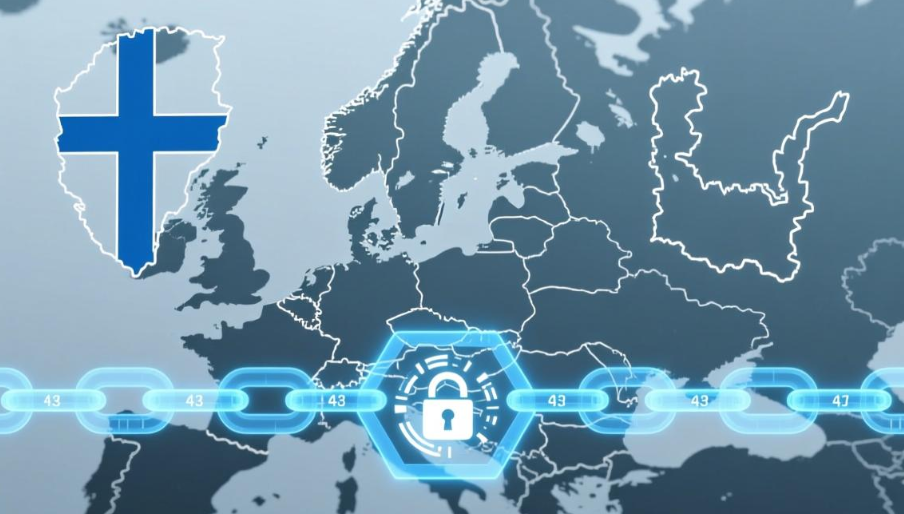
First, Getting Serious: Three Countries Join Forces to Block Cross-Border Loopholes
In the past, a player in Sweden who was listed on a self-exclusion list due to problem gambling might turn around and register a new account on gambling sites in Norway or Denmark, easily bypassing restrictions. This "shoot and scoot" tactic significantly undermines the effectiveness of player protection measures in a single country. To address this issue, the three countries' regulatory bodies sat down to discuss breaking down data barriers. They plan to share self-exclusion lists among the three countries through secure encrypted channels. This means that once listed, players will be denied access to all legal gambling platforms across the Nordic region. This move directly targets the problem, fundamentally reducing the evasion space for problem gamblers.
Second, High Consensus, but Data Privacy is the Biggest "Roadblock"
Although Sweden, Norway, and Denmark have different legal details and specific regulatory rules, they are quite in sync in emphasizing corporate social responsibility and player protection. This cooperation is driven by such a high degree of consensus. Currently, a technical working group has been established, and they are busily assessing various legal and technical solutions for cross-border data transfer.
However, the biggest challenge, and the core of the negotiations, is how to ensure full compliance with the EU General Data Protection Regulation (GDPR) and other data privacy laws. The self-exclusion information of players is highly sensitive personal data, and finding the perfect balance between protecting privacy and effective regulation is key to reaching an agreement. Experts at the negotiation table are probably wracking their brains over this.
Third, Global Attention: Possibly Providing the "Nordic Solution" for the EU
This small-scale Nordic cooperation could potentially have implications far beyond the region itself. If Sweden, Norway, and Denmark can successfully explore a legal, secure, and efficient multi-country data sharing mechanism, it would undoubtedly provide valuable "pilot experience" for the EU and other regions worldwide. Everyone is watching to see if this model of regional collaborative regulation can work.
Facing an increasingly digitalized gambling market, individual regulatory efforts are no longer sufficient. This attempt by the three Nordic countries indicates a new international regulatory trend that emphasizes collaboration and data linkage. Regardless of the final details of the agreement, this effort to actively seek cross-national solutions for player protection is itself worthy of attention both within and outside the industry. For more updates on international regulatory dynamics and responsible gambling practices, feel free to visit the PASA official website regularly.
————
This article is from "PASA-Global iGaming Leaders," a gambling industry news channel:https://t.me/pasa_news
Original in-depth gambling channel:https://t.me/gamblingdeep
Free data reports: @pasa_research
PASA Matrix: @pasa002_bot
PASA official website: https://www.pasa.news